A dedicated initiative to revive Ashtapathy Attam in its original form was undertaken through systematic research and intensive training, in collaboration with the Department of Dance, Sree Sankaracharya University of Sanskrit, Kalady. Our in-depth study revealed that the authentic traditional form of Ashtapathy Attam is no longer preserved in any part of India.
In response, we embarked on an ambitious effort to reconstruct and re-present Ashtapathy Attam by integrating the aesthetic and technical foundations of Kerala’s classical dance traditions. After extensive scholarly exploration and rigorous practice, this reconstructed form was presented publicly for the first time during the inauguration ceremony of the Trust in 2018, graced by the Honourable Vice President of India.
To further trace the original roots of the tradition, we initiated specialized training in the Mahari dance heritage at the Puri Temple, Odisha—the historic cradle of temple dance. The program attracted over one hundred students, with quarterly public performances showcasing their progress and dedication.
Currently, the training programs are temporarily on hold due to limitations in training space and the financial challenges associated with sustaining the course. Notably, all expenses for the previous training initiatives were fully supported by the Trust, reaffirming its strong commitment to cultural preservation and artistic revival.
We invite devotees patrons, cultural organizations, and art lovers to support this rare and meaningful revival—your contribution can help safeguard a priceless heritage and inspire future generations
Safeguarding endangered art forms such as Ashtapadiyattam and restoring their rightful place in cultural practice.
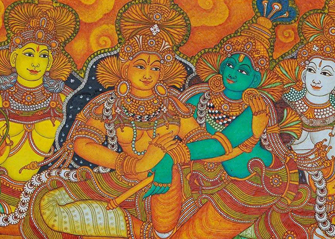
The Gīta Govindam beautifully portrays Śringāra Rasa through its two principal stages—Vipralambha Śringāra (love in separation) and Samyoga Śringāra (love in union)—as expressed through the divine relationship of Radha and Krishna.
The Gīta Govindam subtly reveals the spiritual union of the Jīvātma with the Paramātma, symbolizing the soul’s journey from bodily pleasure to divine love, ultimately culminating in Bhakti.
Ashtapathy Attam received wide appreciation across the country during the Bhakti movement of the 12th century. Through its recreation, the Trust aims to enable devotees, through witnessing and experiencing this sacred art form, to transcend worldly pleasures and progress towards spiritual liberation.
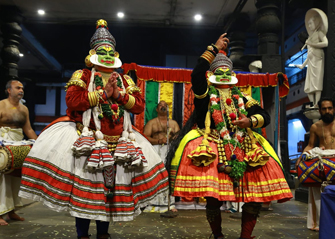
Protecting the authenticity and continuity of sacred temple rituals.
Unlike other performing arts, ritual arts are performed with specific spiritual intentions—as offerings to the deity or as a means toward salvation. Similar to the performance of pūjā before the deity, ritual arts are enacted as acts of worship seeking divine blessings, and are often regarded as an integral part of Tantra.
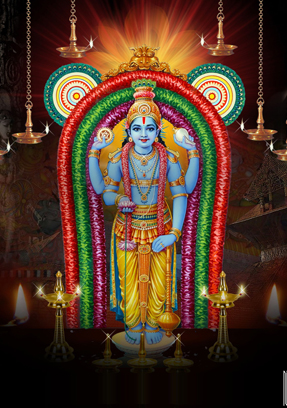
Krishnattam is a ritual performing art form that exists exclusively at the Sri Guruvayoor Sree Krishna Temple. It is performed as a sacred offering seeking the blessings of Lord Sri Guruvayoorappan to overcome difficulties and challenges in life.
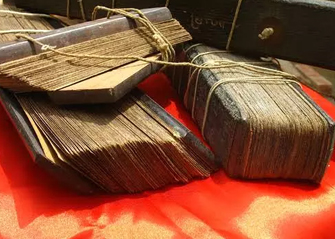
Exploring and disseminating the scientific and philosophical insights of Arsha traditions, including the Vedas and Vedic Mathematics.
Preserving Vedi knowledge
As custodians of this timeless heritage, we recognize that preserving Vedic knowledge is not merely an act of conservation, but a responsibility toward the future. By safeguarding these wisdom traditions and transmitting them with integrity and relevance, we seek to nurture generations rooted in values, guided by discernment, and inspired by higher purpose. In this sacred endeavor, the Trust reaffirms its commitment to ensuring that the eternal light of Vedic knowledge continues to illuminate minds, strengthen society, and contribute meaningfully to the harmony and sustainable progress of humanity